
Sunday, September 11, 2016
How to Get Vitamin B12 on a Vegan Diet
By Michelle Schoffro Cook If there was ever a controversial topic in the field of nutrition, vitamin B12 is it. For every blog or website claiming to have found vegan or vegetarian sources of the nutrient another claims that these plant-based foods are useless. So what’s a vegan to do?
First let’s explore some of the vegan foods that may contain vitamin B12, which include: spirulina, other algae, barley grass, sprouts, nori, other types of seaweed, tempeh, fortified milk substitutes, other fortified packaged foods (meat substitutes and breakfast cereals), mushrooms, miso, fermented foods and nutritional yeast. But, most of these sources are considered controversial because their vitamin B12 is not truly vitamin B12 but analogs that are believed to block absorption.
While the debate on this front continues, here’s what you need to know to get adequate amounts of B12 in your diet. Vitamin B12 is an essential nutrient (that’s actually the definition of a vitamin!) that is necessary for good health. Like most B vitamins, it’s involved in energy metabolism, which means it helps to supply the body with the energy it needs for all of its other functions.
It is necessary for DNA production, brain and nervous system health, healthy bones and cardiovascular health. Since B12 requires adequate amounts of gastric juices for absorption, the argument as to whether meat sources are superior to vegan ones is really a moot point after about the age of 50, since by that time most people’s gastric juices seem to be insufficient to absorb it anyway. From that point, it really is best to obtain vitamin B12 from a supplement, in the form that it is most absorbable in the body (methylcobalamin).
Vitamin B12 requires minute amounts of the metal cobalt (hence the nutrient’s other name cobalamin). In addition to strong gastric acid to absorb the nutrient, it requires a strong and healthy liver to convert it into its usable form of methlycobalamin.
Nutritional yeast tends to contain vitamin B12 that can be absorbed, making it a potentially good source of the nutrient. However, since the vitamin is light-sensitive, be sure to choose nutritional yeast products that are in opaque packages rather than clear plastic packages or in clear bulk bins. That helps to ensure that the vitamin content of the nutritional yeast remains intact.
Nutritional yeast can be added to soaked nuts or seeds to add a cheese-like flavor or to make cheese sauces or vegan cheese alternatives. Be sure to check the label to determine the product’s vitamin B12 content, since it can vary widely. One and a half tablespoons of a good quality nutritional yeast can meet your daily needs.
While the jury is still out on spirulina, other algae, barley grass, sprouts, nori and other seaweeds, there are numerous vegan sources of vitamin B12 that are reliable, including: foods fortified with the vitamin, mushrooms and fermented foods. The primary foods that are fortified with B12 are almond milk, rice milk, soy milk (be sure it’s organic since most soy is genetically-modified), hemp milk and oat milk, along with fortified breakfast cereals and vegan meat substitutes. Be sure to check the label to see if the products you choose are fortified. One cup of crimini mushrooms supplies about 3 percent of your daily B12 needs.
Keep in mind that B12, like other water soluble nutrients, can be depleted in cook water, so avoid boiling foods. Just a light sauté is superior. Many websites claim that bacteria cannot make vitamin B12. Actually, many bacteria manufacture vitamin B12 (that’s actually the reason why animal protein contains B12—the bacteria that reside in their intestines manufactured it!).
Actually, bacteria are employed in the manufacture of vitamin B12 supplements as well. A growing body of research demonstrates that lactic acid bacteria (lactobacilli) make vitamin B12, making fermented foods like miso, tempeh and others valuable in the quest for enough of this nutrient.
Most people need at least 3 micrograms of vitamin B12 daily. Based on the absorption and conversion issues I mentioned earlier, most nutritionists recommend supplementing with at least 10 micrograms daily or a single 2000 microgram supplement on a weekly basis. Ideally, choose methylcobalamin lozenges or drops since they are absorbed sublingually (under the tongue) and bypass most of the digestive tract.
Dr. Michelle Schoffro Cook, PhD, DNM is an international best-selling and 20-time published book author whose works include: The Life Force Diet: 3 Weeks to Supercharge Your Health and Get Slim with Enzyme-Rich Foods
If there was ever a controversial topic in the field of nutrition, vitamin B12 is it. For every blog or website claiming to have found vegan or vegetarian sources of the nutrient another claims that these plant-based foods are useless. So what’s a vegan to do?
First let’s explore some of the vegan foods that may contain vitamin B12, which include: spirulina, other algae, barley grass, sprouts, nori, other types of seaweed, tempeh, fortified milk substitutes, other fortified packaged foods (meat substitutes and breakfast cereals), mushrooms, miso, fermented foods and nutritional yeast. But, most of these sources are considered controversial because their vitamin B12 is not truly vitamin B12 but analogs that are believed to block absorption.
While the debate on this front continues, here’s what you need to know to get adequate amounts of B12 in your diet. Vitamin B12 is an essential nutrient (that’s actually the definition of a vitamin!) that is necessary for good health. Like most B vitamins, it’s involved in energy metabolism, which means it helps to supply the body with the energy it needs for all of its other functions.
It is necessary for DNA production, brain and nervous system health, healthy bones and cardiovascular health. Since B12 requires adequate amounts of gastric juices for absorption, the argument as to whether meat sources are superior to vegan ones is really a moot point after about the age of 50, since by that time most people’s gastric juices seem to be insufficient to absorb it anyway. From that point, it really is best to obtain vitamin B12 from a supplement, in the form that it is most absorbable in the body (methylcobalamin).
Vitamin B12 requires minute amounts of the metal cobalt (hence the nutrient’s other name cobalamin). In addition to strong gastric acid to absorb the nutrient, it requires a strong and healthy liver to convert it into its usable form of methlycobalamin.
Nutritional yeast tends to contain vitamin B12 that can be absorbed, making it a potentially good source of the nutrient. However, since the vitamin is light-sensitive, be sure to choose nutritional yeast products that are in opaque packages rather than clear plastic packages or in clear bulk bins. That helps to ensure that the vitamin content of the nutritional yeast remains intact.
Nutritional yeast can be added to soaked nuts or seeds to add a cheese-like flavor or to make cheese sauces or vegan cheese alternatives. Be sure to check the label to determine the product’s vitamin B12 content, since it can vary widely. One and a half tablespoons of a good quality nutritional yeast can meet your daily needs.
While the jury is still out on spirulina, other algae, barley grass, sprouts, nori and other seaweeds, there are numerous vegan sources of vitamin B12 that are reliable, including: foods fortified with the vitamin, mushrooms and fermented foods. The primary foods that are fortified with B12 are almond milk, rice milk, soy milk (be sure it’s organic since most soy is genetically-modified), hemp milk and oat milk, along with fortified breakfast cereals and vegan meat substitutes. Be sure to check the label to see if the products you choose are fortified. One cup of crimini mushrooms supplies about 3 percent of your daily B12 needs.
Keep in mind that B12, like other water soluble nutrients, can be depleted in cook water, so avoid boiling foods. Just a light sauté is superior. Many websites claim that bacteria cannot make vitamin B12. Actually, many bacteria manufacture vitamin B12 (that’s actually the reason why animal protein contains B12—the bacteria that reside in their intestines manufactured it!).
Actually, bacteria are employed in the manufacture of vitamin B12 supplements as well. A growing body of research demonstrates that lactic acid bacteria (lactobacilli) make vitamin B12, making fermented foods like miso, tempeh and others valuable in the quest for enough of this nutrient.
Most people need at least 3 micrograms of vitamin B12 daily. Based on the absorption and conversion issues I mentioned earlier, most nutritionists recommend supplementing with at least 10 micrograms daily or a single 2000 microgram supplement on a weekly basis. Ideally, choose methylcobalamin lozenges or drops since they are absorbed sublingually (under the tongue) and bypass most of the digestive tract.
Dr. Michelle Schoffro Cook, PhD, DNM is an international best-selling and 20-time published book author whose works include: The Life Force Diet: 3 Weeks to Supercharge Your Health and Get Slim with Enzyme-Rich Foods

Thursday, August 4, 2016
Schizophrenia and Addiction: The Guide to Unraveling Comorbidity and Finding the Path to Recovery
By James Achanyi-Fontem, Executive Director, Cameroon Link,
Courtesy of The Centers for Disease Control (CDC) It’s estimated that approximately 1% of the world’s population is diagnosed with schizophrenia, while the prevalence in the United States is slightly higher with an estimated 1.2% of the population diagnosed with the illness. That’s about 3.2 million Americans as of 2009, with an expected 100,000 people diagnosed annually – or 7.2 in every 1,000 people.
The Centers for Disease Control (CDC) offers slightly different statistical estimates, noting, “Worldwide prevalence estimates range between 0.5% and 1%. Age of first episode is typically younger among men (about 21 years of age) than women (27 years). Of persons with schizophrenia, by age 30, 9 out of 10 men, but only 2 out of 10 women, will manifest the illness.”
While schizophrenia can impact people throughout their lifespan, it is most commonly diagnosed during early adulthood. In fact, it’s rare for children or older adults to be diagnosed with schizophrenia. The rate of diagnosis for new cases of schizophrenia is highest between the ages of 16 and 25 years with a few differences between males and females:
•Men reach peak vulnerability between 18 and 25 years old.
•Women reach peak vulnerability between 25 and 30 years old.
•Women have a second period of peak vulnerability at around 40 years of age.
Schizophrenia is most notably characterized by odd and bizarre behaviors, and it’s these behaviors that often lead to the initial diagnosis. Most experts don’t believe that drug or alcohol abuse causes schizophrenia; it is widely recognized, though, that people with schizophrenia are more likely to abuse alcohol and/or drugs. Substance abuse can make treatments for schizophrenia less effective, however, which can lead to further complications.
We’ve created this guide to explore the relationship between schizophrenia and addiction, the impacts of comorbidity, and solutions for overcoming addiction and mental illness to begin the path down the road of recovery.
What You’ll Find in This Guide:
•What is Schizophrenia?
•Schizophrenia and the Prevalence of Substance Abuse
•Complications of Comorbidity
•Solutions and Treatment Options for Positive Outcomes
What is Schizophrenia?
In this section we examine schizophrenia, common signs and symptoms, statistics, and disease impacts. While schizophrenia directly affects just a small portion of the population (both in the United States and worldwide), the effects of this devastating mental illness are far-reaching, impacting family and friends in addition to the individual diagnosed with the disease.
It’s estimated that approximately 1% of the world’s population is diagnosed with schizophrenia, while the prevalence in the United States is slightly higher with an estimated 1.2% of the population diagnosed with the illness. That’s about 3.2 million Americans as of 2009, with an expected 100,000 people diagnosed annually – or 7.2 in every 1,000 people.
The Centers for Disease Control (CDC) offers slightly different statistical estimates, noting, “Worldwide prevalence estimates range between 0.5% and 1%. Age of first episode is typically younger among men (about 21 years of age) than women (27 years). Of persons with schizophrenia, by age 30, 9 out of 10 men, but only 2 out of 10 women, will manifest the illness.”
While schizophrenia can impact people throughout their lifespan, it is most commonly diagnosed during early adulthood. In fact, it’s rare for children or older adults to be diagnosed with schizophrenia. The rate of diagnosis for new cases of schizophrenia is highest between the ages of 16 and 25 years with a few differences between males and females:
•Men reach peak vulnerability between 18 and 25 years old.
•Women reach peak vulnerability between 25 and 30 years old.
•Women have a second period of peak vulnerability at around 40 years of age.
Schizophrenia is most notably characterized by odd and bizarre behaviors, and it’s these behaviors that often lead to the initial diagnosis. Most experts don’t believe that drug or alcohol abuse causes schizophrenia; it is widely recognized, though, that people with schizophrenia are more likely to abuse alcohol and/or drugs. Substance abuse can make treatments for schizophrenia less effective, however, which can lead to further complications.
We’ve created this guide to explore the relationship between schizophrenia and addiction, the impacts of comorbidity, and solutions for overcoming addiction and mental illness to begin the path down the road of recovery.
What You’ll Find in This Guide:
•What is Schizophrenia?
•Schizophrenia and the Prevalence of Substance Abuse
•Complications of Comorbidity
•Solutions and Treatment Options for Positive Outcomes
What is Schizophrenia?
In this section we examine schizophrenia, common signs and symptoms, statistics, and disease impacts. While schizophrenia directly affects just a small portion of the population (both in the United States and worldwide), the effects of this devastating mental illness are far-reaching, impacting family and friends in addition to the individual diagnosed with the disease. Schizophrenia is a serious mental illness, and while there is currently no cure for the disorder, it is treatable with careful management.
According to the National Institute of Mental Health, “Schizophrenia is a chronic, severe, and disabling mental disorder characterized by deficits in thought processes, perceptions, and emotional responsiveness.” The NIMH further explains that the symptoms of schizophrenia are generally categorized by “positive” or “negative” symptoms. Positive symptoms include those which are present in people with schizophrenia but not present in people who do not have schizophrenia such as:
•Hallucinations
•Delusions
•Thought disorders
Negative symptoms, on the other hand, are characteristics normally present in people without schizophrenia but that those diagnosed with the disease do not exhibit such as:
•Avolition (“a lack of desire or motivation to accomplish goals”)
•A lack of interest or desire in forming social relationships
•Blunted affect and/or emotion
Early warning signs of schizophrenia may include:
•Intentional social isolation or withdrawal
•Suspiciousness of or hostility towards others
•An inability to express emotions – such as an inability to cry
•Showing emotions inappropriate to the context – such as crying or laughing in unusual circumstances
•Forgetfulness and lack of concentration
•Using strange words or speaking in an usual manner
•Odd or irrational statements
The hallmarks of schizophrenia include delusions, hallucinations, disorganized speech, and disorganized behavior. People suffering from schizophrenia may feel paranoid or experience severe anxiety, or they may find it difficult to find the words they’re looking for to communicate, resulting in disorganized speech.
While there’s a stigma surrounding schizophrenia, the disease is often manageable with a commitment to long-term (often lifetime) treatment. However, when schizophrenia is undiagnosed or not well managed, the symptoms of the disease may become uncontrollable and create severe disruption not only in the life of the person suffering from the disease, but their family and friends who are plagued with worry and confusion, sometimes not understanding what is happening to the person they know and love.
Schizophrenia is a serious mental illness, and while there is currently no cure for the disorder, it is treatable with careful management.
According to the National Institute of Mental Health, “Schizophrenia is a chronic, severe, and disabling mental disorder characterized by deficits in thought processes, perceptions, and emotional responsiveness.” The NIMH further explains that the symptoms of schizophrenia are generally categorized by “positive” or “negative” symptoms. Positive symptoms include those which are present in people with schizophrenia but not present in people who do not have schizophrenia such as:
•Hallucinations
•Delusions
•Thought disorders
Negative symptoms, on the other hand, are characteristics normally present in people without schizophrenia but that those diagnosed with the disease do not exhibit such as:
•Avolition (“a lack of desire or motivation to accomplish goals”)
•A lack of interest or desire in forming social relationships
•Blunted affect and/or emotion
Early warning signs of schizophrenia may include:
•Intentional social isolation or withdrawal
•Suspiciousness of or hostility towards others
•An inability to express emotions – such as an inability to cry
•Showing emotions inappropriate to the context – such as crying or laughing in unusual circumstances
•Forgetfulness and lack of concentration
•Using strange words or speaking in an usual manner
•Odd or irrational statements
The hallmarks of schizophrenia include delusions, hallucinations, disorganized speech, and disorganized behavior. People suffering from schizophrenia may feel paranoid or experience severe anxiety, or they may find it difficult to find the words they’re looking for to communicate, resulting in disorganized speech.
While there’s a stigma surrounding schizophrenia, the disease is often manageable with a commitment to long-term (often lifetime) treatment. However, when schizophrenia is undiagnosed or not well managed, the symptoms of the disease may become uncontrollable and create severe disruption not only in the life of the person suffering from the disease, but their family and friends who are plagued with worry and confusion, sometimes not understanding what is happening to the person they know and love.


Schizophrenia and the Prevalence of Substance Abuse
In this section we examine the link between schizophrenia and substance abuse as well as the ramifications of substance abuse for those being treated for schizophrenia and the dangers associated with the misuse of drugs and alcohol. Researchers have long recognized a high prevalence of comorbid (simultaneously occurring) substance abuse among people with schizophrenia, but the cause for this correlation hasn’t been definitively established. That said, most research – and the majority of experts in the field – seem to agree with one hypothesis: that people with schizophrenia turn to substances in an attempt to self-medicate and achieve symptomatic relief.
According to a report from the University of Montreal appearing on Europe PMC, “Formulated in a clinical context, in reaction to the psychoanalytic interpretation of addiction as a pleasure seeking pathology, Khantzian’s hypothesis holds that schizophrenic patients use psychoactive substances to relieve their symptoms.”
“Various hypotheses have been suggested to explain the high co-morbidity between schizophrenia and addiction,” explains a report from the National Center for Biotechnology Information (NCBI). These hypotheses include:
1.The social-environmental hypothesis, although no studies have provided adequate evidence in support of this hypothesis to date.
2.There’s a possibility that a shared biological vulnerability exists between schizophrenia and addictions. This has led researchers to explore common genetic factors for each condition, such as “the involvement of the dopaminergic and opioid systems in the etiology of both schizophrenia and the abuse of and dependence on psychoactive drugs.”
3.The self-medication theory, described above, which suggests that people suffering from schizophrenia use drugs and/or alcohol in an attempt to “counter the deficit linked to their disorders by using the substances they take or their dependency-type behavior to cope with their emotional problems.”
Medscape reports that nearly half of people who suffer from schizophrenia “also present with a lifetime history of substance abuse disorders (SUD),” a significantly higher rate than the incidence of substance abuse disorders in the general population. The most commonly abused substances among people with schizophrenia include (percentage rates represent substance abuse meeting DSM-IV criteria for substance abuse disorder obtained from various studies as reported by Medscape):
•Nicotine (28.5%)
•Cannabis (50.8%)
•Alcohol (43.1-65%)
•Cocaine (23%)
Addressing comorbid substance abuse among patients with schizophrenia is critical as substance abuse disorder is associated with poor clinical outcomes for people with schizophrenia.
Complications of Comorbidity
In this section we discuss the complications that arise from comorbidity for people who suffer from schizophrenia and their friends and loved ones as well as provide resources for further reading on the impacts comorbidity can have among those battling this mental illness.
Researchers have long recognized a high prevalence of comorbid (simultaneously occurring) substance abuse among people with schizophrenia, but the cause for this correlation hasn’t been definitively established. That said, most research – and the majority of experts in the field – seem to agree with one hypothesis: that people with schizophrenia turn to substances in an attempt to self-medicate and achieve symptomatic relief.
According to a report from the University of Montreal appearing on Europe PMC, “Formulated in a clinical context, in reaction to the psychoanalytic interpretation of addiction as a pleasure seeking pathology, Khantzian’s hypothesis holds that schizophrenic patients use psychoactive substances to relieve their symptoms.”
“Various hypotheses have been suggested to explain the high co-morbidity between schizophrenia and addiction,” explains a report from the National Center for Biotechnology Information (NCBI). These hypotheses include:
1.The social-environmental hypothesis, although no studies have provided adequate evidence in support of this hypothesis to date.
2.There’s a possibility that a shared biological vulnerability exists between schizophrenia and addictions. This has led researchers to explore common genetic factors for each condition, such as “the involvement of the dopaminergic and opioid systems in the etiology of both schizophrenia and the abuse of and dependence on psychoactive drugs.”
3.The self-medication theory, described above, which suggests that people suffering from schizophrenia use drugs and/or alcohol in an attempt to “counter the deficit linked to their disorders by using the substances they take or their dependency-type behavior to cope with their emotional problems.”
Medscape reports that nearly half of people who suffer from schizophrenia “also present with a lifetime history of substance abuse disorders (SUD),” a significantly higher rate than the incidence of substance abuse disorders in the general population. The most commonly abused substances among people with schizophrenia include (percentage rates represent substance abuse meeting DSM-IV criteria for substance abuse disorder obtained from various studies as reported by Medscape):
•Nicotine (28.5%)
•Cannabis (50.8%)
•Alcohol (43.1-65%)
•Cocaine (23%)
Addressing comorbid substance abuse among patients with schizophrenia is critical as substance abuse disorder is associated with poor clinical outcomes for people with schizophrenia.
Complications of Comorbidity
In this section we discuss the complications that arise from comorbidity for people who suffer from schizophrenia and their friends and loved ones as well as provide resources for further reading on the impacts comorbidity can have among those battling this mental illness. Alcohol Use Disorder (AUD) is the most common comorbid disorder among people with schizophrenia. According to a report from the National Institutes of Health (NIH), “Schizophrenia patients with AUD are more likely to have social, legal, and medical problems, compared with other people with schizophrenia. AUD also complicates the course and treatment of schizophrenia.”
Influenced by both biological and psychological and socioenvironmental factors, alcohol use disorder among people with schizophrenia is associated with poor treatment outcomes and diminished quality of life. Those who battle both schizophrenia and AUD are more likely to experience unstable housing conditions or homelessness, and as the report explains, “increased recurrence of psychiatric symptoms, psychosocial instability, other substance use disorders, violence, victimization, legal problems, medical problems such as HIV infection and hepatitis, family problems, and institutionalization in hospitals and jails.”
According to the Schizophrenia Bulletin from Oxford Journals, substance abuse comorbidity is so common that it’s largely considered the norm rather than the exception among schizophrenic patients. Substance abuse is associated with a variety of negative consequences, including:
•An increase in positive symptoms
•A relapse of psychosis
•Increased risk of violence
•Increased risk of suicide
•More medical comorbidities
•Legal complications such as an increased risk of incarceration
•A greater likelihood of experiencing antipsychotic-related side effects
It’s important to note that alcohol-related psychosis is also a possible consequence of alcohol abuse. “Alcohol-related psychosis is a secondary psychosis that manifests as prominent hallucinations and delusions occurring in a variety of alcohol-related conditions. For patients with alcohol use disorder, previously known as alcohol abuse and alcohol dependence, psychosis can occur during phases of acute intoxication or withdrawal, with or without delirium tremens,” explains a report from Medscape. “In addition, alcohol hallucinosis and alcoholic paranoia are 2 uncommon alcohol-induced psychotic disorders, which are seen only in chronic alcoholics who have years of severe and heavy drinking.” However, alcohol-induced psychosis is rare and does not typically follow the same longitudinal course as schizophrenia.
Solutions and Treatment Options for Positive Outcomes
In this section we discuss treatment options and the path to long-term recovery for patients with schizophrenia. We also provide valuable resources with insights on obtaining adequate treatment and strategies for achieving long-term disease management and improved quality of life.
Alcohol Use Disorder (AUD) is the most common comorbid disorder among people with schizophrenia. According to a report from the National Institutes of Health (NIH), “Schizophrenia patients with AUD are more likely to have social, legal, and medical problems, compared with other people with schizophrenia. AUD also complicates the course and treatment of schizophrenia.”
Influenced by both biological and psychological and socioenvironmental factors, alcohol use disorder among people with schizophrenia is associated with poor treatment outcomes and diminished quality of life. Those who battle both schizophrenia and AUD are more likely to experience unstable housing conditions or homelessness, and as the report explains, “increased recurrence of psychiatric symptoms, psychosocial instability, other substance use disorders, violence, victimization, legal problems, medical problems such as HIV infection and hepatitis, family problems, and institutionalization in hospitals and jails.”
According to the Schizophrenia Bulletin from Oxford Journals, substance abuse comorbidity is so common that it’s largely considered the norm rather than the exception among schizophrenic patients. Substance abuse is associated with a variety of negative consequences, including:
•An increase in positive symptoms
•A relapse of psychosis
•Increased risk of violence
•Increased risk of suicide
•More medical comorbidities
•Legal complications such as an increased risk of incarceration
•A greater likelihood of experiencing antipsychotic-related side effects
It’s important to note that alcohol-related psychosis is also a possible consequence of alcohol abuse. “Alcohol-related psychosis is a secondary psychosis that manifests as prominent hallucinations and delusions occurring in a variety of alcohol-related conditions. For patients with alcohol use disorder, previously known as alcohol abuse and alcohol dependence, psychosis can occur during phases of acute intoxication or withdrawal, with or without delirium tremens,” explains a report from Medscape. “In addition, alcohol hallucinosis and alcoholic paranoia are 2 uncommon alcohol-induced psychotic disorders, which are seen only in chronic alcoholics who have years of severe and heavy drinking.” However, alcohol-induced psychosis is rare and does not typically follow the same longitudinal course as schizophrenia.
Solutions and Treatment Options for Positive Outcomes
In this section we discuss treatment options and the path to long-term recovery for patients with schizophrenia. We also provide valuable resources with insights on obtaining adequate treatment and strategies for achieving long-term disease management and improved quality of life. Individuals who live in low-income communities face obstacles in obtaining mental health services, and left untreated, mental illness can contribute to a vicious cycle making it difficult to secure and maintain gainful employment, care for children and other family members, and contribute to the ongoing cycle of poverty and poor mental health. According to NYU’s Department of Applied Psychology, schizophrenia is one of the most dangerous mental health conditions when inadequately treated, particularly when combined with cocaine use. Improving access to mental health care in impoverished communities is critical for reducing the negative outcomes associated with lack of access to treatment.
The University of Maryland Medical Center (UMM) suggests an integrated approach to treatment encompassing:
•Motivational interviews to gauge the patient’s commitment to recovery
•Antipsychotic medications with careful monitoring and management
•Community-based rehabilitation coupled with skills training to improve long-term outcomes
•Psychotherapy not just for the patient but their whole family to strengthen family support systems
•Cognitive-behavioral therapy aimed at reducing delusions and hallucinations
Long-term medication is typically recommended for a period of at least one year, and long-term maintenance medication is frequently used to control symptoms during long-term recovery. Substance abuse reduces the likelihood of medication compliance, however, so these patients should be carefully monitored to ensure ongoing compliance and reduce the risk of relapse.
While further research and evaluation is needed to determine the best approach to treating comorbid schizophrenia and substance abuse, an integrated treatment approach is the current widely accepted treatment standard. According to a report appearing in Medscape, a combination of psychosocial interventions with pharmacotherapy typically results in the best possible outcomes. Research continues to evaluate the effect of atypical antipsychotics to treat these patients, and the adjunctive use of naltrexone and similar agents is promising.
Psychiatric Times explains the importance of discovering solutions to the clinical challenges associated with treating comorbid substance use disorders among patients with schizophrenia, pointing out the many consequences such as more frequent and longer hospitalizations and increased use of crisis-oriented services (in addition to the consequences discussed earlier in this guide), ultimately resulting in a higher cost of care.
“Pharmacologic interventions that have been evaluated (e.g., the medications used to treat alcohol dependence, including disulfiram and naltrexone) seem to have clinical use in this population,” the article explains, concurring with earlier noted studies that state that the use of atypical antipsychotics shows promise for treating substance abuse disorders in comorbid populations. In fact, the first line of treatment for these patients is usually an antipsychotic medication.
“It has been hypothesized that if these newer medications are superior in their effects on psychotic symptoms or have fewer adverse effects, they may concomitantly reduce comorbid substance use disorders,” the article further explains. “Another hypothesis suggests that because atypicals have a different pharmacologic profile from conventional antipsychotics and because they target receptors that may play a direct role in the etiology of substance abuse and dependence, they may be especially effective in treating substance use disorders as well as psychosis.”
Effectively managing comorbid schizophrenia and substance abuse requires more than pharmaceutical intervention. The best outcomes are achieved through mental health and substance abuse treatments coupled with therapeutic intervention providing patients with the skills and supports they need to manage both comorbid conditions as well as achieve functional goals, resulting in the long-term, comprehensive approach to recovery that results in positive outcomes. While there is no definitive cure for schizophrenia alone or coupled with comorbid substance abuse disorder, the current integrated treatment approach holds promise for patients in enabling them to lead normal lives with ongoing disease management.
Individuals who live in low-income communities face obstacles in obtaining mental health services, and left untreated, mental illness can contribute to a vicious cycle making it difficult to secure and maintain gainful employment, care for children and other family members, and contribute to the ongoing cycle of poverty and poor mental health. According to NYU’s Department of Applied Psychology, schizophrenia is one of the most dangerous mental health conditions when inadequately treated, particularly when combined with cocaine use. Improving access to mental health care in impoverished communities is critical for reducing the negative outcomes associated with lack of access to treatment.
The University of Maryland Medical Center (UMM) suggests an integrated approach to treatment encompassing:
•Motivational interviews to gauge the patient’s commitment to recovery
•Antipsychotic medications with careful monitoring and management
•Community-based rehabilitation coupled with skills training to improve long-term outcomes
•Psychotherapy not just for the patient but their whole family to strengthen family support systems
•Cognitive-behavioral therapy aimed at reducing delusions and hallucinations
Long-term medication is typically recommended for a period of at least one year, and long-term maintenance medication is frequently used to control symptoms during long-term recovery. Substance abuse reduces the likelihood of medication compliance, however, so these patients should be carefully monitored to ensure ongoing compliance and reduce the risk of relapse.
While further research and evaluation is needed to determine the best approach to treating comorbid schizophrenia and substance abuse, an integrated treatment approach is the current widely accepted treatment standard. According to a report appearing in Medscape, a combination of psychosocial interventions with pharmacotherapy typically results in the best possible outcomes. Research continues to evaluate the effect of atypical antipsychotics to treat these patients, and the adjunctive use of naltrexone and similar agents is promising.
Psychiatric Times explains the importance of discovering solutions to the clinical challenges associated with treating comorbid substance use disorders among patients with schizophrenia, pointing out the many consequences such as more frequent and longer hospitalizations and increased use of crisis-oriented services (in addition to the consequences discussed earlier in this guide), ultimately resulting in a higher cost of care.
“Pharmacologic interventions that have been evaluated (e.g., the medications used to treat alcohol dependence, including disulfiram and naltrexone) seem to have clinical use in this population,” the article explains, concurring with earlier noted studies that state that the use of atypical antipsychotics shows promise for treating substance abuse disorders in comorbid populations. In fact, the first line of treatment for these patients is usually an antipsychotic medication.
“It has been hypothesized that if these newer medications are superior in their effects on psychotic symptoms or have fewer adverse effects, they may concomitantly reduce comorbid substance use disorders,” the article further explains. “Another hypothesis suggests that because atypicals have a different pharmacologic profile from conventional antipsychotics and because they target receptors that may play a direct role in the etiology of substance abuse and dependence, they may be especially effective in treating substance use disorders as well as psychosis.”
Effectively managing comorbid schizophrenia and substance abuse requires more than pharmaceutical intervention. The best outcomes are achieved through mental health and substance abuse treatments coupled with therapeutic intervention providing patients with the skills and supports they need to manage both comorbid conditions as well as achieve functional goals, resulting in the long-term, comprehensive approach to recovery that results in positive outcomes. While there is no definitive cure for schizophrenia alone or coupled with comorbid substance abuse disorder, the current integrated treatment approach holds promise for patients in enabling them to lead normal lives with ongoing disease management.


Monday, July 18, 2016
Complete Guide to Cooking Beans
By James Achanyi-Fontem,camlink News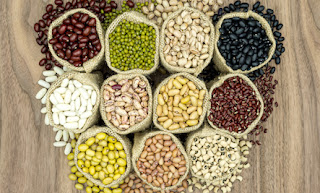 I can’t help but feel somewhat sorry for the humble bean… Somehow beans have developed a reputation for being dull, bland and boring, and have almost become a symbol of the common perception of vegan food as being, well… dull, bland and boring.
But not only is this not true about vegan food, it’s not even true about beans themselves. As with many other ingredients, it’s all about how you use them. Personally, I’m a huge fan of beans, both for their nutritional profile and also for the taste and texture benefits they bring to my cooking. But I don’t recommend eating beans alone or unseasoned, since I don’t think that’s the best way to enjoy them.
According to some sources, beans were one of the first crops cultivated when humans began to develop agriculture, and their cultivation played a key role in the human evolution from a primitive existence toward a more stabilized one. It’s easy to see what an amazing development this must have been for early humans, since beans are not only a powerful source of nutrition, but they can be dried and stored for years.
High in protein, fiber, B vitamins, phytochemicals and antioxidants, yet low in fat, sugar and of course cholesterol (which is only present in foods of animal origin), beans are simply one of the best foods available to us.
On a non-busy day, I like to cook up a supply of beans that I can use later on in the week. Preparing things like beans ahead of time is a good way to minimize dinner preparation during the week when you have a busier schedule. If you have some pre-cooked beans in the refrigerator, it’s easy to just add them into a veggie sauté which can then become a substantial portion of your meal. When they’re mixed in with cooked veggies and well-seasoned, you’d almost never know you were eating beans.
There are many different varieties of beans, so if you’re interested in taking advantage of their excellent nutritional benefits, I would suggest that you try a few different varieties to see which type appeals to you the most. Even if you think you’re ‘not a fan’, you may well be surprised by how much variation there is in the legume family. And if you’re willing to be a bit adventurous, you might even want to try some heirloom varieties.
I can’t help but feel somewhat sorry for the humble bean… Somehow beans have developed a reputation for being dull, bland and boring, and have almost become a symbol of the common perception of vegan food as being, well… dull, bland and boring.
But not only is this not true about vegan food, it’s not even true about beans themselves. As with many other ingredients, it’s all about how you use them. Personally, I’m a huge fan of beans, both for their nutritional profile and also for the taste and texture benefits they bring to my cooking. But I don’t recommend eating beans alone or unseasoned, since I don’t think that’s the best way to enjoy them.
According to some sources, beans were one of the first crops cultivated when humans began to develop agriculture, and their cultivation played a key role in the human evolution from a primitive existence toward a more stabilized one. It’s easy to see what an amazing development this must have been for early humans, since beans are not only a powerful source of nutrition, but they can be dried and stored for years.
High in protein, fiber, B vitamins, phytochemicals and antioxidants, yet low in fat, sugar and of course cholesterol (which is only present in foods of animal origin), beans are simply one of the best foods available to us.
On a non-busy day, I like to cook up a supply of beans that I can use later on in the week. Preparing things like beans ahead of time is a good way to minimize dinner preparation during the week when you have a busier schedule. If you have some pre-cooked beans in the refrigerator, it’s easy to just add them into a veggie sauté which can then become a substantial portion of your meal. When they’re mixed in with cooked veggies and well-seasoned, you’d almost never know you were eating beans.
There are many different varieties of beans, so if you’re interested in taking advantage of their excellent nutritional benefits, I would suggest that you try a few different varieties to see which type appeals to you the most. Even if you think you’re ‘not a fan’, you may well be surprised by how much variation there is in the legume family. And if you’re willing to be a bit adventurous, you might even want to try some heirloom varieties.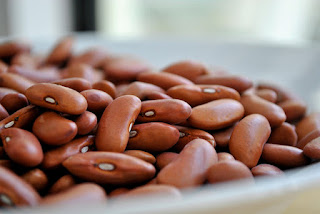 How to Cook Beans
To cook beans easily and in less time, use a pressure-cooker. Check out this link for more information about this method.
oMost dry beans need soaking overnight before cooking. Soak in 4-5 cups of water to 1 cup of beans. Rinse with fresh water before cooking.
o1 cup dry beans yields approximately 2 1/2 cups cooked beans.
oTo cook: Bring water to a boil. Add beans, then simmer for specified cooking
Lentils (brown)
1 cup dry lentils to 3 cups water.
No pre-soaking necessary. Cooking time: 30 minutes.
Red lentils require less cooking time.
Garbanzo Beans (chick peas)
1 cup dry beans to 4 cups water.
Soaked overnight, cooking time is 2-3 hours.
Soya beans
1 cup dry beans to 4 cups water.
Soaked overnight, cooking time is 3 hours.
Black Beans
1 cup dry beans to 4 cups water.
Soaked, cooking time is 60-90 minutes.
Navy Beans
1 cup dry beans to 3 cups water.
Soaked, cooking time is 90 minutes.
Pinto Beans
1 cup dry beans to 3 cups water.
Soaked, cooking time is 2-2 1/2 hours.
Great Northern Beans
1 cup dry beans to 3 cups water.
Unsoaked, cooking time is 90-120 minutes. Soaked, cooking time is 60 minutes.
Kidney Beans
1 cup dry beans to 3 cups water.
Soaked, cooking time is 60+ minutes. Unsoaked, cooking time is 90 minutes.
Lima Beans
1 cup dry beans to 3 cups water.
No soaking required. Cooking time is 90 minutes.
Split Peas
1 cup dry beans to 3 cups water.
No soaking required. Cooking time is 45-75 minutes.
Adzuki Beans
1 cup dry beans to 4 cups water.
Soaked for one hour, cooking time is 1 hour. Unsoaked, cooking time is 90-120 minutes.
Favorite Ways to Use Beans
How to Cook Beans
To cook beans easily and in less time, use a pressure-cooker. Check out this link for more information about this method.
oMost dry beans need soaking overnight before cooking. Soak in 4-5 cups of water to 1 cup of beans. Rinse with fresh water before cooking.
o1 cup dry beans yields approximately 2 1/2 cups cooked beans.
oTo cook: Bring water to a boil. Add beans, then simmer for specified cooking
Lentils (brown)
1 cup dry lentils to 3 cups water.
No pre-soaking necessary. Cooking time: 30 minutes.
Red lentils require less cooking time.
Garbanzo Beans (chick peas)
1 cup dry beans to 4 cups water.
Soaked overnight, cooking time is 2-3 hours.
Soya beans
1 cup dry beans to 4 cups water.
Soaked overnight, cooking time is 3 hours.
Black Beans
1 cup dry beans to 4 cups water.
Soaked, cooking time is 60-90 minutes.
Navy Beans
1 cup dry beans to 3 cups water.
Soaked, cooking time is 90 minutes.
Pinto Beans
1 cup dry beans to 3 cups water.
Soaked, cooking time is 2-2 1/2 hours.
Great Northern Beans
1 cup dry beans to 3 cups water.
Unsoaked, cooking time is 90-120 minutes. Soaked, cooking time is 60 minutes.
Kidney Beans
1 cup dry beans to 3 cups water.
Soaked, cooking time is 60+ minutes. Unsoaked, cooking time is 90 minutes.
Lima Beans
1 cup dry beans to 3 cups water.
No soaking required. Cooking time is 90 minutes.
Split Peas
1 cup dry beans to 3 cups water.
No soaking required. Cooking time is 45-75 minutes.
Adzuki Beans
1 cup dry beans to 4 cups water.
Soaked for one hour, cooking time is 1 hour. Unsoaked, cooking time is 90-120 minutes.
Favorite Ways to Use Beans


Here are a couple of recipes that use my favorite variety: the gorgeous little black bean. Maybe it’s because my father used to make a great black bean sauce when I was younger (I can still just about taste it now), but whatever the reason, I’m a big fan of black beans. Here are some ideas to get you acquainted with them.
Caribbean Spicy Black Bean Salad
serves 4
Spicy Dressing
1/2 tsp. sea salt
1/2 tsp. crushed red pepper
1/4 tsp. ground allspice
1/4 tsp. cumin powder
1/4 tsp. dried oregano
1/4 cup cold-pressed olive oil
1 Tbsp. apple cider vinegar
1 Tbsp. sweetener
Salad
4 cups cooked black beans
1 large bunch watercress, chopped
1 cup red & yellow bell pepper, diced
2 cups corn kernels (optional)
6 cups (loosely packed) baby greens
2 scallions, thinly sliced
1.In a small bowl, whisk together dressing ingredients.
2.Drain and rinse beans.
3.In large bowl, toss beans, watercress, peppers and corn with 1/4 cup of dressing.
4.Arrange greens on four serving plates. Top each with bean mixture and drizzle with remaining dressing. Sprinkle with scallions.……
Cuban Black Bean Salad/Dip
serves 2
2 cups cooked black beans, drained and rinsed
1/2 cup red bell pepper, diced
1/2 cup red onion, diced
1/4 cup fresh cilantro, chopped
1/4 tsp. cumin powder
3 Tbsp. vinegar
3 Tbsp. olive oil
1/4 tsp. sea salt
1/8 tsp. red pepper
1.Place beans, bell pepper, onion and cilantro in a salad bowl.
2.Stir together cumin powder, vinegar and oil in a cup. Pour over bean mixture and gently stir, coating evenly. Season with salt and pepper, to taste.
•Variation ~ In a food processor, using the “S” shaped blade, place all above ingredients along with three chopped garlic cloves and one tablespoon lime juice. Process until creamy to make a dip. Chill before serving.
Homemade Chili
Yields 1 medium to large sized potBean Salsa in Radicchio Leaves
1 2/3 cup dry beans (pinto, red or kidney) soaked overnight
5 cloves garlic, diced
1 large onion, diced
1 bell pepper, diced
1 (12 oz.) can tomato paste
1 (12 oz.) can tomato sauce
1/4 cup fresh cilantro, chopped
jalapeño peppers, diced, to taste
1 cup bean stock (see step 1)
1 Tbsp. sweetener
1 Tbsp. tamari or substitute
3 Tbsp. nutritional yeast
1 Tbsp. cumin powder
1 Tbsp. vegetable bouillon
1/2 Tbsp. chili powder (or to taste)
1/4 tsp. sea salt
garlic & onion powder, to taste
2 cups ground tempeh or seitan (Optional, but recommended. You can also use texturized vegetable protein – TVP. If using TVP, simmer with 2-3 cups of boiling water until all the water is absorbed.)
1. Rinse soaked beans, then cook for one hour before beginning chili preparation. Drain beans and set aside one cup of liquid.
2. In a separate pot, sauté garlic, onion and pepper. When cooked, add tomato paste, tomato sauce and all other ingredients except tempeh/seitan, beans and bean stock. Continue simmering.
3. Add tempeh/seitan to the chili pot. Stir frequently. When beans are cooked thoroughly, add them to the pot with one cup of the bean stock. Simmer for another half an hour.
4. Serve in taco shells, over rice or with corn bread.
Bean Salsa in Radicchio Leaves
Yields 5 cups
3 cups cooked pinto beans
1 red onion, chopped
2 tomatoes, chopped
1 yellow bell pepper, chopped
1 cup corn kernels
2 jalapeño peppers, thinly sliced
2 avocados, cubed
1/3 cup cilantro, minced
1/2 cup tomato sauce
1 Tbsp. vinegar
1 tsp. sea salt (or to taste)
radicchio leaves (or romaine, kale, chard)
1. In a large bowl, combine all ingredients, except leaves and avocados. Set aside to marinate for two hours at room temperature.
2. Place 1/4 cup of bean salsa into each leaf using a slotted spoon.
3. Garnish with avocado and serve.
•Variation ~ Toss Bean Salsa with hot or cold pasta.
Lastly, a couple of easy recipes that you can whip up in the food processor.
Italian White Bean Topping
serves 4
4 cups cooked great northern beans or navy beans
1/4 cup water/stock (or tomato sauce)
1/4 cup olive oil
1 Tbsp. nutritional yeast
3 cloves garlic, diced
1/2 tsp. basil
1/2 tsp. oregano
2 tsp. onion powder
1/2 tsp. sea salt
1 Tbsp. fresh parsley, chopped
2 scallions, chopped
1. Combine beans, water/stock, oil, nutritional yeast, garlic, and spices in the food processor. Process until creamy-smooth, adding more liquid to reach desired consistency.
2. Transfer to a bowl. Top with parsley and scallions. Serve at room temperature.…
Bean Dip
5–6 servings
2 2/3 cup cooked pinto beans
3 Tbsp. tamari or substitute
2/3 cup tomato paste
2 tsp. garlic powder
1 tsp. onion powder
1 tsp. cumin powder
1 Tbsp. apple cider vinegar
jalapeños, diced, to taste (optional)
In a food processor, using the “S” shaped blade, blend all ingredients. Chill.
Gentle World is a non-profit educational organization, whose core purpose is to help build a more peaceful society, by educating the public about the reasons for being vegan, the benefits of vegan living, and how to go about making such a transition. Visit www.GentleWorld.org for more information.
15 Best Protein Alternatives to Meat Besides Tofu
By Diane M. Do you hate tofu? Or are you just plain sick of it? Check out these 15 tasty alternatives to both meat and tofu that will make you smack your lips in delight.
1) Quinoa – This tiny seed is full of protein, easy to cook and very versatile. A cup of cooked quinoa serves up 8 grams of protein, and you can get more by serving it with chickpeas, beans and nuts. Plus, it is one of the only non-meat options that provide the nine essential amino acids our bodies can’t produce on their own, including lysine, which is essential for tissue growth and repair. Plus, quinoa contains fiber, iron, magnesium and manganese. Buy it white, red or black, in bulk or in a box. Rinse it well (even if you buy it pre-washed), then cook it like rice: combine one part quinoa to two parts water in a pot, bring to a boil, reduce the heat to low and simmer, covered, for around 15 minutes. Serve hot with stir-fried vegetables or cold in a salad of leafy greens, chopped tomatoes and cucumbers or in some saucy combo you particularly like.
2) Lentils – I spent three weeks trekking in the Himalayas and pretty much survived on lentils and the 9 grams of protein per half cup they provide when cooked. I never got sick of them, and today, I still enjoy a delicious protein boost from lentil soup, lentil stew and lentils in the dal I order at Indian restaurants. If you buy them dry, sort through them before you cook them to find tiny pieces of dirt or rocks that might have gotten mixed in. Then rinse them under running water before boiling 3 cups of water for every 1 cup of lentils. Once the water is boiling add the lentils, then cover and reduce heat to a simmer. It will take 20-30 minutes to cook, depending on which variety of lentil you are using. When done, add cooked lentils to a mushroom, carrot and onion stew, vegetable soup, or your own lentil soup you make with hearty vegetarian stock and whatever vegetables you have on hand. If you don’t want to start with dry lentils, you can find organic packaged lentils that have already been cooked.
3) Chickpeas/Garbanzo Beans – Garbanzo beans are among the most versatile of beans for their mild flavor and their versatility. It doesn’t hurt that one cup of garbanzos provides 12 grams of protein, or 24 percent of the daily value based on a 2,000-calorie diet (so more, if you only eat 1200-1500 calories, like I usually do). Like lentils, you can cook up the dried bean or buy them ready to eat. Toss them on a couscous-based salad for a big protein boost, nibble on them cold with a little salt and pepper for a snack, add them to vegetable soup or puree them with some lemon juice and yogurt to make a refreshing dip for vegetables and crackers. You can also grind them up and add parsley and mint to make your own falafel. Yum!
4) Kidney Beans – I also think of these beans as chili beans, don’t you? Cooked kidney beans pack about 15 grams of protein into every cup serving; they are also a terrific source of fiber, vitamins and minerals. I prefer to eat these beans hot, as in a veggie stew, soup or chili.
5) Great Northern Beans – You’re probably getting the message that beans generally are a good source of protein other than meat and tofu, and you’re right. I like Great Northern beans a lot because they have mild flavor so can be added to a dish like mushroom barley soup without detracting from either the mushrooms or the barley. Like other beans, Great Northerns are also a good source of fiber, vitamins and minerals.
6) Seitan – If you’re not gluten-free, seitan could be a good meat and tofu alternative for you. It’s made from wheat gluten, is chewier than tofu and can be grilled, braised and broiled like meat. If you like eating food with a heartier texture, seitan could be for you. Here’s how to make it at home if you can’t find it in your local food co-op or natural foods grocery store.
7) Tempeh – Tempeh is similar in texture and cooking profile to seitan, but is made from fermented soybeans rather than wheat gluten. It tastes pretty bland on its own, so marinate it in flavorful sauces and spices before you cook it.
8) Broccoli – This is a surprise, right? Broccoli contains 5 grams of protein per cup! The problem, of course, is that you probably won’t eat more than a cup of broccoli at one sitting. But combine cooked broccoli with quinoa, or dip raw broccoli in hummus and you have a satisfying, protein-rich meal for lunch or dinner.
9) Green Peas – One cup of cooked peas contains about 79 grams of protein, almost the same as a cup of milk. Serve them as a side dish, stir them into soup or macaroni and cheese,or blend them with olive oil, parmesan cheese, and toasted pine nuts to make a delicious pesto.
10) Seeds – Both hemp and chia seeds are protein dense, and add good fiber to your diet, too. Toast them and sprinkle them over salad, stir them into yogurt and oatmeal or blend them into smoothies. Sunflower, sesame and poppy seeds are also protein powerhouses, which you can add to muffins, salads, stir fries or, in the case of sunflower seeds, eat on their own.
11) Nuts and Nut Butters – The upside is that nuts are very protein-dense, between 5 and 6 grams of protein per ounce. The downside is that they’re also high in calories. Your best bet is to eat nuts and nut butters plain, i.e., without hydrogenated oils or lots of added sugar. Get dry roasted or buy them raw and roast them at home. You can grind peanuts into peanut better at some food co-ops and grocery stores or look for butters that clearly say “just peanuts” or “just almonds” plus perhaps some salt, on their labels.
12) Edamame – Boiled edamame soybeans contain 8.4 grams of protein per half cup, but I bet you won’t stop there. You boil them up in their pods, then sprinkle them with a little salt and maybe a dash of soy sauce and slurp out the beans.
13) Milk – If you’re vegan, go the soy, almond, hemp, flax or rice milk route. If you consume dairy, cow’s, sheep’s and goat’s milk might be more to your liking. According to the U.S. Department of Agriculture, 1 cup of nonfat milk contains 8.26 grams of protein or 16 percent of your daily value for protein. It’s also rich in calcium, riboflavin, vitamin D and other minerals.
14) Yogurt – Thick and creamy Greek yogurt may contain twice as much protein as regular yogurt, but read the label of whichever option you choose, as some companies add gelatin, an animal collagen product, or carmine, a natural dye derived from the body of beetles. Look at sugar and fat content, as well. I generally prefer non-fat, no sugar added Greek yogurt, or I make my own out of non-fat organic milk, a couple of tablespoons of yogurt and maybe a half cup of powdered organic milk.
15) Eggs – If you’re not vegan, eggs could be a terrific meat and tofu substitute for you. One large whole egg contains 6 grams of protein: 3 in the yolk and 3 in the white. Eggs also contain an abundance of vitamins and minerals, plus many of the amino acids you need for complete protein. If you’ve got room in your yard, you can humanely raise your own chickens and collect the eggs without much ado.
Did I miss your favorite? Please share!
Do you hate tofu? Or are you just plain sick of it? Check out these 15 tasty alternatives to both meat and tofu that will make you smack your lips in delight.
1) Quinoa – This tiny seed is full of protein, easy to cook and very versatile. A cup of cooked quinoa serves up 8 grams of protein, and you can get more by serving it with chickpeas, beans and nuts. Plus, it is one of the only non-meat options that provide the nine essential amino acids our bodies can’t produce on their own, including lysine, which is essential for tissue growth and repair. Plus, quinoa contains fiber, iron, magnesium and manganese. Buy it white, red or black, in bulk or in a box. Rinse it well (even if you buy it pre-washed), then cook it like rice: combine one part quinoa to two parts water in a pot, bring to a boil, reduce the heat to low and simmer, covered, for around 15 minutes. Serve hot with stir-fried vegetables or cold in a salad of leafy greens, chopped tomatoes and cucumbers or in some saucy combo you particularly like.
2) Lentils – I spent three weeks trekking in the Himalayas and pretty much survived on lentils and the 9 grams of protein per half cup they provide when cooked. I never got sick of them, and today, I still enjoy a delicious protein boost from lentil soup, lentil stew and lentils in the dal I order at Indian restaurants. If you buy them dry, sort through them before you cook them to find tiny pieces of dirt or rocks that might have gotten mixed in. Then rinse them under running water before boiling 3 cups of water for every 1 cup of lentils. Once the water is boiling add the lentils, then cover and reduce heat to a simmer. It will take 20-30 minutes to cook, depending on which variety of lentil you are using. When done, add cooked lentils to a mushroom, carrot and onion stew, vegetable soup, or your own lentil soup you make with hearty vegetarian stock and whatever vegetables you have on hand. If you don’t want to start with dry lentils, you can find organic packaged lentils that have already been cooked.
3) Chickpeas/Garbanzo Beans – Garbanzo beans are among the most versatile of beans for their mild flavor and their versatility. It doesn’t hurt that one cup of garbanzos provides 12 grams of protein, or 24 percent of the daily value based on a 2,000-calorie diet (so more, if you only eat 1200-1500 calories, like I usually do). Like lentils, you can cook up the dried bean or buy them ready to eat. Toss them on a couscous-based salad for a big protein boost, nibble on them cold with a little salt and pepper for a snack, add them to vegetable soup or puree them with some lemon juice and yogurt to make a refreshing dip for vegetables and crackers. You can also grind them up and add parsley and mint to make your own falafel. Yum!
4) Kidney Beans – I also think of these beans as chili beans, don’t you? Cooked kidney beans pack about 15 grams of protein into every cup serving; they are also a terrific source of fiber, vitamins and minerals. I prefer to eat these beans hot, as in a veggie stew, soup or chili.
5) Great Northern Beans – You’re probably getting the message that beans generally are a good source of protein other than meat and tofu, and you’re right. I like Great Northern beans a lot because they have mild flavor so can be added to a dish like mushroom barley soup without detracting from either the mushrooms or the barley. Like other beans, Great Northerns are also a good source of fiber, vitamins and minerals.
6) Seitan – If you’re not gluten-free, seitan could be a good meat and tofu alternative for you. It’s made from wheat gluten, is chewier than tofu and can be grilled, braised and broiled like meat. If you like eating food with a heartier texture, seitan could be for you. Here’s how to make it at home if you can’t find it in your local food co-op or natural foods grocery store.
7) Tempeh – Tempeh is similar in texture and cooking profile to seitan, but is made from fermented soybeans rather than wheat gluten. It tastes pretty bland on its own, so marinate it in flavorful sauces and spices before you cook it.
8) Broccoli – This is a surprise, right? Broccoli contains 5 grams of protein per cup! The problem, of course, is that you probably won’t eat more than a cup of broccoli at one sitting. But combine cooked broccoli with quinoa, or dip raw broccoli in hummus and you have a satisfying, protein-rich meal for lunch or dinner.
9) Green Peas – One cup of cooked peas contains about 79 grams of protein, almost the same as a cup of milk. Serve them as a side dish, stir them into soup or macaroni and cheese,or blend them with olive oil, parmesan cheese, and toasted pine nuts to make a delicious pesto.
10) Seeds – Both hemp and chia seeds are protein dense, and add good fiber to your diet, too. Toast them and sprinkle them over salad, stir them into yogurt and oatmeal or blend them into smoothies. Sunflower, sesame and poppy seeds are also protein powerhouses, which you can add to muffins, salads, stir fries or, in the case of sunflower seeds, eat on their own.
11) Nuts and Nut Butters – The upside is that nuts are very protein-dense, between 5 and 6 grams of protein per ounce. The downside is that they’re also high in calories. Your best bet is to eat nuts and nut butters plain, i.e., without hydrogenated oils or lots of added sugar. Get dry roasted or buy them raw and roast them at home. You can grind peanuts into peanut better at some food co-ops and grocery stores or look for butters that clearly say “just peanuts” or “just almonds” plus perhaps some salt, on their labels.
12) Edamame – Boiled edamame soybeans contain 8.4 grams of protein per half cup, but I bet you won’t stop there. You boil them up in their pods, then sprinkle them with a little salt and maybe a dash of soy sauce and slurp out the beans.
13) Milk – If you’re vegan, go the soy, almond, hemp, flax or rice milk route. If you consume dairy, cow’s, sheep’s and goat’s milk might be more to your liking. According to the U.S. Department of Agriculture, 1 cup of nonfat milk contains 8.26 grams of protein or 16 percent of your daily value for protein. It’s also rich in calcium, riboflavin, vitamin D and other minerals.
14) Yogurt – Thick and creamy Greek yogurt may contain twice as much protein as regular yogurt, but read the label of whichever option you choose, as some companies add gelatin, an animal collagen product, or carmine, a natural dye derived from the body of beetles. Look at sugar and fat content, as well. I generally prefer non-fat, no sugar added Greek yogurt, or I make my own out of non-fat organic milk, a couple of tablespoons of yogurt and maybe a half cup of powdered organic milk.
15) Eggs – If you’re not vegan, eggs could be a terrific meat and tofu substitute for you. One large whole egg contains 6 grams of protein: 3 in the yolk and 3 in the white. Eggs also contain an abundance of vitamins and minerals, plus many of the amino acids you need for complete protein. If you’ve got room in your yard, you can humanely raise your own chickens and collect the eggs without much ado.
Did I miss your favorite? Please share!

10 Surprising Causes of Weight Gain
By Diana Vilibert We all know that eating right and exercising are the keys to keeping excess pounds off…but there are other surprising factors that can also have an effect on your weight—from your bedtime to the ingredients in your skincare products.
A late bedtime
Scientists have been finding more and more links over the years between lack of sleep and weight gain. Most recently, in a study published earlier this month in Sleep, University of California, Berkeley researchers found that, for young adults, a later bedtime during the workweek was associated with an increase in body mass index over time—and, unfortunately, not even exercise or total sleep time mitigated the BMI increase.
Food additives
Emulsifiers—aka the additives that give foods like peanut butter a smooth, creamy texture—might be causing weight gain, changing your gut’s microorganisms and increasing inflammation, according to recent research published in Nature. The study’s researchers looked at the emulsifiers carboxymethylcellulose, sometimes found in ice cream, dressing, gelatinous desserts, cream cheese spread and cottage cheese, as well as polysorbate-80, sometimes found in ice cream, salad dressing and mayonnaise.
Your favorite cooking show
If you get your recipes from the Cooking Channel and often cook indulgent dishes along with TV chefs, you may have a higher BMI than those who don’t, suggests a study published earlier this year in Appetite. The study researchers found that obtaining food information from cooking shows, watching food television and cooking frequently from scratch were all associated with a higher body mass index.
Your makeup bag
The Environmental Working Group reports that the average woman uses 12 beauty products containing 168 different ingredients daily—and some of these ingredients are wreaking havoc on their bodies. One such ingredient currently being investigated? Triphenyl phosphate, also known as TPHP, commonly found in nail polish and nail treatments and shown to possibly disrupt the endocrine system and contribute to obesity. Polysorbate-80 (the emulsifier listed above found in foods) also shows up in a lot of face creams.
Your furniture
Most of us probably don’t think of our couch or carpets as being full of chemicals, but plenty of furniture sold in the U.S. actually contains synthetic flame retardant chemicals. And according to scientists at the University of New Hampshire, those chemicals in foam couch cushions, carpet padding and electronics have been found to cause metabolic problems that lead to insulin resistance, a major cause of obesity.
“Despite the plethora of resources devoted to understanding the roles of diet and exercise in the obesity epidemic, this epidemic continues to escalate, suggesting that other environmental factors may be involved. At the biochemical level there is a growing body of experimental evidence suggesting certain environmental chemicals, or ‘obesogens’, could disrupt the body’s metabolism and contribute to the obesity epidemic,” explained lead researcher Gale Carey.
Your plates
Big plates can mean bigger portions, according to numerous studies. The brain associates a lot of white space on a plate with less food, possibly causing you to go for seconds—one study at Cornell University found that people given large bowls not only ate 16 percent more, but their estimates of how much they ate were actually 7 percent less than the estimates of people eating out of smaller bowls.
Criticism
Anyone who’s ever been nagged by a loved one about their weight knows it doesn’t feel good…but it turns out, it’s not good for your diet either, according to research published in Personal Relationships in 2014. When researchers asked college-aged women to discuss their weight, how they felt about it and whether they discussed their weight with loved ones, they found that women who received few messages of weight acceptance from loved ones gained 4.5 pounds over five months. Women who received more weight acceptance messages lost a pound on average.
Midnight munchies
Pants feeling a little tight? Nighttime snacking may be to blame. A study published in International Journal of Obesity found that people diagnosed with night eating syndrome—those who consume half or more of their daily calories after 7pm, have sleep difficulty three or more nights a week, and have no appetite for breakfast—tend to have a higher body mass index.
Netflix binges
Can binge-watching your favorite show lead to binge-eating your favorite snack? Some research confirms the link between watching TV and overeating—not only can parking yourself in front of the screen cause you to lose track of what you’re eating and eat more calorie-dense foods, commercials for junk food trigger our cravings.
Your open-plan kitchen
Out of sight, out of mind—when it comes to snacks that add extra pounds, the adage applies. Research has found that we’re more likely to consume food when it’s in our line of vision. So if you’ve got junk food a few feet away from you in your cupboards, on the kitchen table or in the office candy bowl, try to situate yourself farther away from the temptation.
We all know that eating right and exercising are the keys to keeping excess pounds off…but there are other surprising factors that can also have an effect on your weight—from your bedtime to the ingredients in your skincare products.
A late bedtime
Scientists have been finding more and more links over the years between lack of sleep and weight gain. Most recently, in a study published earlier this month in Sleep, University of California, Berkeley researchers found that, for young adults, a later bedtime during the workweek was associated with an increase in body mass index over time—and, unfortunately, not even exercise or total sleep time mitigated the BMI increase.
Food additives
Emulsifiers—aka the additives that give foods like peanut butter a smooth, creamy texture—might be causing weight gain, changing your gut’s microorganisms and increasing inflammation, according to recent research published in Nature. The study’s researchers looked at the emulsifiers carboxymethylcellulose, sometimes found in ice cream, dressing, gelatinous desserts, cream cheese spread and cottage cheese, as well as polysorbate-80, sometimes found in ice cream, salad dressing and mayonnaise.
Your favorite cooking show
If you get your recipes from the Cooking Channel and often cook indulgent dishes along with TV chefs, you may have a higher BMI than those who don’t, suggests a study published earlier this year in Appetite. The study researchers found that obtaining food information from cooking shows, watching food television and cooking frequently from scratch were all associated with a higher body mass index.
Your makeup bag
The Environmental Working Group reports that the average woman uses 12 beauty products containing 168 different ingredients daily—and some of these ingredients are wreaking havoc on their bodies. One such ingredient currently being investigated? Triphenyl phosphate, also known as TPHP, commonly found in nail polish and nail treatments and shown to possibly disrupt the endocrine system and contribute to obesity. Polysorbate-80 (the emulsifier listed above found in foods) also shows up in a lot of face creams.
Your furniture
Most of us probably don’t think of our couch or carpets as being full of chemicals, but plenty of furniture sold in the U.S. actually contains synthetic flame retardant chemicals. And according to scientists at the University of New Hampshire, those chemicals in foam couch cushions, carpet padding and electronics have been found to cause metabolic problems that lead to insulin resistance, a major cause of obesity.
“Despite the plethora of resources devoted to understanding the roles of diet and exercise in the obesity epidemic, this epidemic continues to escalate, suggesting that other environmental factors may be involved. At the biochemical level there is a growing body of experimental evidence suggesting certain environmental chemicals, or ‘obesogens’, could disrupt the body’s metabolism and contribute to the obesity epidemic,” explained lead researcher Gale Carey.
Your plates
Big plates can mean bigger portions, according to numerous studies. The brain associates a lot of white space on a plate with less food, possibly causing you to go for seconds—one study at Cornell University found that people given large bowls not only ate 16 percent more, but their estimates of how much they ate were actually 7 percent less than the estimates of people eating out of smaller bowls.
Criticism
Anyone who’s ever been nagged by a loved one about their weight knows it doesn’t feel good…but it turns out, it’s not good for your diet either, according to research published in Personal Relationships in 2014. When researchers asked college-aged women to discuss their weight, how they felt about it and whether they discussed their weight with loved ones, they found that women who received few messages of weight acceptance from loved ones gained 4.5 pounds over five months. Women who received more weight acceptance messages lost a pound on average.
Midnight munchies
Pants feeling a little tight? Nighttime snacking may be to blame. A study published in International Journal of Obesity found that people diagnosed with night eating syndrome—those who consume half or more of their daily calories after 7pm, have sleep difficulty three or more nights a week, and have no appetite for breakfast—tend to have a higher body mass index.
Netflix binges
Can binge-watching your favorite show lead to binge-eating your favorite snack? Some research confirms the link between watching TV and overeating—not only can parking yourself in front of the screen cause you to lose track of what you’re eating and eat more calorie-dense foods, commercials for junk food trigger our cravings.
Your open-plan kitchen
Out of sight, out of mind—when it comes to snacks that add extra pounds, the adage applies. Research has found that we’re more likely to consume food when it’s in our line of vision. So if you’ve got junk food a few feet away from you in your cupboards, on the kitchen table or in the office candy bowl, try to situate yourself farther away from the temptation.

Sunday, July 17, 2016
How to Lower Your Breast Cancer Risk by 25%
By Michelle Schoffro Cook Many people think that cancer is like a ticking time-bomb waiting to strike without reason, but increasing amounts of research show that our dietary habits are far more important than we may think. And exciting new research proves that we can significantly impact breast cancer risk by making healthy dietary choices.
According to a new study by the Department of Nutrition at the Harvard T. H. Chan School of Public Health researchers found that teenagers who had higher fruit consumption had a reduced risk of breast cancer while those who drank alcohol had an increased risk.
The Harvard researchers used data that followed over 90,000 nurses for more than 20 years. The data also included their early adulthood nutritional habits. While many studies have explored the role of improved dietary habits in adult years on breast health, few examine the connection between teenage and early adult eating habits and breast cancer.
The study considered 2.9 servings of fruits and vegetables daily to be high consumption of these foods, although it is still much lower than the 5 daily servings recommended by most nutritionists. Those who ate at least 2.9 servings of fruits and vegetables had a 25 percent reduced risk of breast cancer in their middle age years. Of the foods assessed, consumption of apples, bananas and grapes during adolescent years and oranges and kale during early adulthood, appear to be most beneficial when it comes to reducing breast cancer risk. Drinking fruit juice had no effect on breast cancer risk.
The scientists believe that the nutrient alpha carotene is responsible for the protective effect from these foods. Continuing to eat these foods during adulthood is also beneficial; however, this study focused on the eating habits of adolescents and young adults on the breast cancer risk later in life.
Many people think that cancer is like a ticking time-bomb waiting to strike without reason, but increasing amounts of research show that our dietary habits are far more important than we may think. And exciting new research proves that we can significantly impact breast cancer risk by making healthy dietary choices.
According to a new study by the Department of Nutrition at the Harvard T. H. Chan School of Public Health researchers found that teenagers who had higher fruit consumption had a reduced risk of breast cancer while those who drank alcohol had an increased risk.
The Harvard researchers used data that followed over 90,000 nurses for more than 20 years. The data also included their early adulthood nutritional habits. While many studies have explored the role of improved dietary habits in adult years on breast health, few examine the connection between teenage and early adult eating habits and breast cancer.
The study considered 2.9 servings of fruits and vegetables daily to be high consumption of these foods, although it is still much lower than the 5 daily servings recommended by most nutritionists. Those who ate at least 2.9 servings of fruits and vegetables had a 25 percent reduced risk of breast cancer in their middle age years. Of the foods assessed, consumption of apples, bananas and grapes during adolescent years and oranges and kale during early adulthood, appear to be most beneficial when it comes to reducing breast cancer risk. Drinking fruit juice had no effect on breast cancer risk.
The scientists believe that the nutrient alpha carotene is responsible for the protective effect from these foods. Continuing to eat these foods during adulthood is also beneficial; however, this study focused on the eating habits of adolescents and young adults on the breast cancer risk later in life. Another study of over 22,000 post-menopausal women also published in the BMJ found that alcohol consumption significantly increases a person’s breast cancer risk, after factors like age, body mass index (BMI), smoking, physical inactivity, Mediterranean diet score, elevated cholesterol, hypertension and diabetes. The study found that those women who increased their alcohol consumption by 2 drinks a day for 5 years had a 30 percent increased risk of breast cancer. Those women who drank less alcohol had a much lower risk of breast cancer.
For most people following these two simple strategies to reduce breast cancer risk is easy and affordable. Let’s face it: it’s not that hard to add more vegetables and fruits to meals and to skip the alcoholic beverages most of the time. Obviously it’s up to you to pass on the alcohol in favor of non-alcoholic beverages. As for fruits and vegetables, here are some ways to eat more every day:
-Start early. You’re more likely to eat higher amounts of fruits and vegetables every day if you begin in the morning. Throw in a handful of vegetables in your omelette or top your cereal or yogurt with berries or chopped peaches, apricots or other fruit.
-Make vegetables, rather than proteins or starches, the priority in your meals. You’ll eat a lot more veggies if they are the star of the meal rather than just a side dish.
-Add a couple of handfuls of fruits and/or greens to your smoothies.
-If you have a sweet tooth, choose fruit first. A banana, apple, a handful of cherries, or a bowl of berries is often sufficient to quell the cravings.
When it comes to breast cancer, you are what you eat so it’s important to make healthy choices.
Dr. Michelle Schoffro Cook, PhD, DNM is an international best-selling and 19-time published book author whose works include: Be Your Own Herbalist: Essential Herbs for Health, Beauty, and Cooking (New World Library, 2016).
Another study of over 22,000 post-menopausal women also published in the BMJ found that alcohol consumption significantly increases a person’s breast cancer risk, after factors like age, body mass index (BMI), smoking, physical inactivity, Mediterranean diet score, elevated cholesterol, hypertension and diabetes. The study found that those women who increased their alcohol consumption by 2 drinks a day for 5 years had a 30 percent increased risk of breast cancer. Those women who drank less alcohol had a much lower risk of breast cancer.
For most people following these two simple strategies to reduce breast cancer risk is easy and affordable. Let’s face it: it’s not that hard to add more vegetables and fruits to meals and to skip the alcoholic beverages most of the time. Obviously it’s up to you to pass on the alcohol in favor of non-alcoholic beverages. As for fruits and vegetables, here are some ways to eat more every day:
-Start early. You’re more likely to eat higher amounts of fruits and vegetables every day if you begin in the morning. Throw in a handful of vegetables in your omelette or top your cereal or yogurt with berries or chopped peaches, apricots or other fruit.
-Make vegetables, rather than proteins or starches, the priority in your meals. You’ll eat a lot more veggies if they are the star of the meal rather than just a side dish.
-Add a couple of handfuls of fruits and/or greens to your smoothies.
-If you have a sweet tooth, choose fruit first. A banana, apple, a handful of cherries, or a bowl of berries is often sufficient to quell the cravings.
When it comes to breast cancer, you are what you eat so it’s important to make healthy choices.
Dr. Michelle Schoffro Cook, PhD, DNM is an international best-selling and 19-time published book author whose works include: Be Your Own Herbalist: Essential Herbs for Health, Beauty, and Cooking (New World Library, 2016).


10 Reasons to Love Beets
By Michelle Schoffro Cook Beets are among the best superfoods. They are packed with nutrition and healing properties. Not counting their delicious taste and incredible versatility, here are 10 reasons to love these delicious darlings of the vegetable kingdom.
Lowers High Blood Pressure: New research on June 30, 2016 in the medical journal Nitric Oxide found that drinking beet juice significantly reduced high blood pressure. That’s great news to the more than one billion global sufferers of hypertension. Another study published in the Journal of Human Hypertension found that raw beet juice was more effective than cooked beets, although both are helpful.
Improves Blood Flow in Heart Disease: Animal research published in the journal Medicine and Science in Sports and Exercise showed that the simple addition of beets to the diets of animals suffering from chronic heart failure resulted in significant improvement in oxygen transport and other blood markers for heart disease.
Boosts Prostate Health: The mineral zinc, found in beets, is essential to prostate health.
Beets are among the best superfoods. They are packed with nutrition and healing properties. Not counting their delicious taste and incredible versatility, here are 10 reasons to love these delicious darlings of the vegetable kingdom.
Lowers High Blood Pressure: New research on June 30, 2016 in the medical journal Nitric Oxide found that drinking beet juice significantly reduced high blood pressure. That’s great news to the more than one billion global sufferers of hypertension. Another study published in the Journal of Human Hypertension found that raw beet juice was more effective than cooked beets, although both are helpful.
Improves Blood Flow in Heart Disease: Animal research published in the journal Medicine and Science in Sports and Exercise showed that the simple addition of beets to the diets of animals suffering from chronic heart failure resulted in significant improvement in oxygen transport and other blood markers for heart disease.
Boosts Prostate Health: The mineral zinc, found in beets, is essential to prostate health. Battles Leukemia: In a study published in the Open Access Macedonian Journal of Medical Sciences, researchers compared the effects of drinking a combination of beet and carrot juice on its own or in combination with the anti-leukemia drug chlorambucil against leukemia. They concluded that “Beetroot-carrot juice can be used as an effective treatment for (leukemia) alone or in combination with chlorambucil when taken orally with regular diet on daily basis.”
Increases Exercise Endurance: Research in the Journal of Applied Physiology found that beets increase oxygenation of the muscles and increases exercise endurance.
Boosts Gut Health: Beets are a rich source of prebiotics, the foods for healthy microbes or probiotics in your intestines. By eating more beets you’ll feed the healthy bacteria and other beneficial microbes that give your gut health a boost.
Reduces the Risk of Birth Defects: Beets are rich in the B vitamin known as folate, which has been shown in many studies to reduce the risk of birth defects in fetuses.
Aids Diabetes: Beets are high in the nutrient known as alpha lipoic acid, which is one of the most potent antioxidants you can get. Not only does it fight disease-causing free radicals on its own, it recycles other antioxidant nutrients like vitamins A, C and E. Alpha lipoic acid has been found to reduce the nerve damage often linked with diabetes.
Reduces Inflammation in the Body: Beets contain powerful anti-inflammatory compounds known as betalains.
Alleviates Allergies: Beets are high in natural compounds known as anthocyanins, which is the group of natural pigments that give beets their characteristic purplish color. Anthocyanins have been found to alleviate allergies.
You can enjoy raw beets grated on a salad or juiced, and cooked beets in soups and stews. I love steamed beets tossed with a little flax oil (don’t cook the flax oil though) and sea salt. And, of course, you can also add beets to your juicer or high-powered blender while making your favorite fresh juices or smoothies.
Dr. Michelle Schoffro Cook, PhD, DNM is an international best-selling and 20-time published book author whose works include: 60 Seconds to Slim: Balance Your Body Chemistry to Burn Fat Fast! (Rodale).
Battles Leukemia: In a study published in the Open Access Macedonian Journal of Medical Sciences, researchers compared the effects of drinking a combination of beet and carrot juice on its own or in combination with the anti-leukemia drug chlorambucil against leukemia. They concluded that “Beetroot-carrot juice can be used as an effective treatment for (leukemia) alone or in combination with chlorambucil when taken orally with regular diet on daily basis.”
Increases Exercise Endurance: Research in the Journal of Applied Physiology found that beets increase oxygenation of the muscles and increases exercise endurance.
Boosts Gut Health: Beets are a rich source of prebiotics, the foods for healthy microbes or probiotics in your intestines. By eating more beets you’ll feed the healthy bacteria and other beneficial microbes that give your gut health a boost.
Reduces the Risk of Birth Defects: Beets are rich in the B vitamin known as folate, which has been shown in many studies to reduce the risk of birth defects in fetuses.
Aids Diabetes: Beets are high in the nutrient known as alpha lipoic acid, which is one of the most potent antioxidants you can get. Not only does it fight disease-causing free radicals on its own, it recycles other antioxidant nutrients like vitamins A, C and E. Alpha lipoic acid has been found to reduce the nerve damage often linked with diabetes.
Reduces Inflammation in the Body: Beets contain powerful anti-inflammatory compounds known as betalains.
Alleviates Allergies: Beets are high in natural compounds known as anthocyanins, which is the group of natural pigments that give beets their characteristic purplish color. Anthocyanins have been found to alleviate allergies.
You can enjoy raw beets grated on a salad or juiced, and cooked beets in soups and stews. I love steamed beets tossed with a little flax oil (don’t cook the flax oil though) and sea salt. And, of course, you can also add beets to your juicer or high-powered blender while making your favorite fresh juices or smoothies.
Dr. Michelle Schoffro Cook, PhD, DNM is an international best-selling and 20-time published book author whose works include: 60 Seconds to Slim: Balance Your Body Chemistry to Burn Fat Fast! (Rodale).


Subscribe to:
Posts (Atom)
